

David Sinden, one of our volunteers, uncovers the mystery of the Electricity Substation based behind Underfall Yard. It may look like a rundown piece of architecture, but this structure was a main part of the hydraulic network of the City Docks from 1906 to 2010. Thanks David for looking into some great Bristol history and the importance of this building to the Yard’s (and the city’s) infrastructure.
Opposite the Avon Crescent entrance is a mysterious and imposing concrete structure (Fig 1). What is it? Is it an ugly monstrosity that should be demolished immediately, or is it a fascinating piece of industrial heritage that needs to be preserved, understood and appreciated?
Let’s find out…
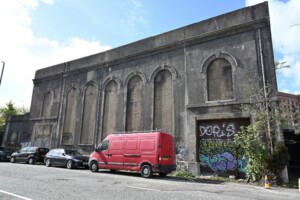
Fig 1 – View in 2025. (Photo credit: David Sinden)
This is the Avon Crescent Electricity Substation, built in 1905-6. It converted AC power from Avonbank Power Station, on Feeder Road, to 365V DC for the docks, and also for cranes and hoists at the new GWR Shed on Canon’s Marsh, the Bonded Tobacco Warehouses, and even powered new streetlamps in Clifton.
Originally the tall arches would have been windows (Fig 2), plus the roof was glazed, so the exciting new technology inside, along with the decorative ironwork, oak joinery and colourful ceramic tiles, would have been bathed in bright daylight for all to see (Fig 3 and Fig 4). Sadly, the windows and roof have all been filled in.
-
Underfall Yard2025-12-23T16:29:30+00:00
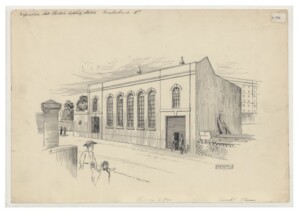
Fig 2 – Samuel Loxton drawing of exterior.
(Source: Know Your Place Community Layer, Bristol Libraries J779)
- Fig 3 – Rare photograph from inside the substation.
(Source: Know Your Place Community Layer, HC 181436. Originally from The Electrical Review, 19/02/1909.)
Fig 4 – Reconstruction of interior, based on detailed architectural plans. Notice the bright daylight.
(Source: Know Your Place Community Layer, HC 182220. Author not stated.)When Ashton Avenue Swing Bridge was opened in 1906, the steam pumps that powered the Underfall hydraulics were no longer adequate to meet the demand. They were replaced by electric pumps in 1907. These were still being used to power the main lock gates on the entrance to Cumberland Basin until 2010, when these gates became the last part of the harbour to be converted from hydraulic to electric operation. The pumps still run regularly for demonstration purposes and to keep them in working order.
The substation was, in fact, grade II listed in 2023 for a number of reasons.
It is one of the oldest examples of the Hennebique system of reinforced concrete construction, where separate elements of the building are brought together into single monolithic structures, which are very strong and easier to construct.
It uses modern material (at the time!) to mimic classical architecture.
The internal fittings were originally designed to be visible from outside, and are largely retained.
There are not many municipal electricity buildings of this age left.
It forms an interesting group with other local buildings, including the hydraulic pump house, bonded warehouses, and Ashton Avenue Swing Bridge, all of which received power from the substation.At first, I was surprised it had been listed, but now that I know the full story, I see the building in a new light, and look forward to seeing it more widely appreciated and understood.
I hope you agree!
To find out more about how the hydraulic system worked, visit our site on Thursdays and Saturdays to see a demonstration of our amazing pumps and accumulator!